
Traditional Diagnostic Methods
Bian Que Tongue Assessment
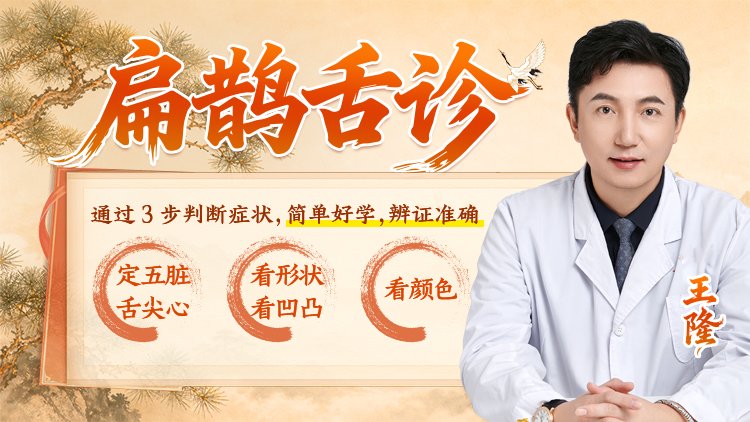
Bian Que Tongue Assessment is taught by Wang Long and centers on tongue-assessment methods within the Bian Que medical framework. Its three-step approach begins by locating the five zang systems, then examining shape and raised or depressed areas, and finally observing color. It organizes tongue coating, tongue body, regional divisions, and deficiency–excess and cold–heat concepts into a more accessible learning framework.
About This Course
Course Introduction
Bian Que Tongue Assessment is taught by Wang Long and focuses on tongue methods within the Bian Que medical system. Its three-step assessment introduces tongue appearance: first identify the five-zang locations, then observe shape and raised or depressed features, and finally examine color. Tongue coating, tongue body, regional divisions, and deficiency-excess and cold-heat concepts are organized into an accessible framework. The course is intended for TCM beginners and students who have studied pulse assessment, visual assessment, or herbal formulas. Study of the tip, sides, center, and root introduces traditional tongue indications associated with the heart, lung, liver-gallbladder, spleen-stomach, and kidney systems, followed by pattern reasoning using twelve tongue appearances.
Learn Step by Step
What You Will Learn
You will study tongue correspondences with the five zang and six fu, identifying zang systems by burner region, raised and depressed tongue features, and cold-heat distinctions through color. The course also covers twelve corresponding tongue-pattern approaches: exuberant heart fire, heart-blood deficiency, liver-qi constraint, liver-blood deficiency, kidney yin-cold, kidney-yin deficiency, exuberant lung fire, lung-qi deficiency, spleen-qi constraint, spleen-qi deficiency, excessive kidney yang, and kidney-yang deficiency.
The course also connects tongue assessment with pulse assessment, herbal study, and pattern-based treatment, gradually building a more complete TCM observation pathway beyond merely looking at tongue coating.
Course Structure
Course Outline
Public preview: the following lessons are those publicly displayed on the original website.
- 01
[Bian Que Tongue Assessment] Lesson 01 - The Bian Que Medical System - Wang Long
- 02
[Bian Que Tongue Assessment] Lesson 02: Fundamentals — Wang Long
- 03
[Bian Que Tongue Assessment] Lesson 03: Scope of Application — Wang Long
- 04
[Bian Que Tongue Assessment] Lesson 04 - Scientific Basis of Tongue Assessment - Wang Long
- 05
[Bian Que Tongue Assessment] Lesson 05: Structure of the Tongue — Wang Long
- 06
[Bian Que Tongue Assessment] Lesson 06: What Is a Normal Tongue Appearance? — Wang Long
- 07
[Bian Que Tongue Assessment] Lesson 07 - Detailed Study of Bian Que Tongue Assessment - Wang Long
- 08
[Bian Que Tongue Assessment] Lesson 08: Tongue Observation and Herbal Selection — Wang Long
- 09
[Bian Que Tongue Assessment] Lesson 09: Course Summary — Wang Long
Learning Experiences
Student Feedback
I used to look only at the thickness of tongue coating. Now I know to consider location, raised and depressed areas, and color.
The twelve tongue-appearance categories are practical and help organize tongue-assessment study clearly.
The course works well with repeated photo-based observation exercises. With practice, I could distinguish more differences.