
Traditional Diagnostic Methods
Bian Que Visual Assessment
Explore the observation topics and study arrangements in Jiang Xiuli's course, including traditional observation of vitality, complexion, form, and bearing.
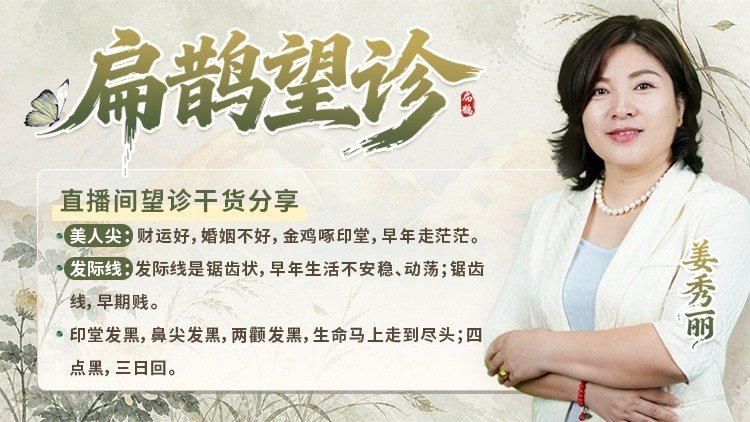
About This Course
Course Introduction
Bian Que Visual Assessment is taught by Jiang Xiuli. The existing materials cover traditional observation of spirit, complexion, physical form, and posture, alongside learning threads related to facial, tongue, hand, and eye assessment. These can provide an initial understanding of how different observational approaches are organized and connected.
The content progresses from traditional divisions such as the three facial regions, five-eye proportions, and five sense organs to observation topics and connections among facial, tongue, hand, and eye methods. Another section discusses zang-fu-related topics. Compare the observation approaches and course scope before choosing your study priorities. Traditional observation cannot replace professional medical assessment.
Learn Step by Step
What You Will Learn
Understand traditional study themes of observing spirit, color, form, and demeanor.
Understand how the course combines different observation methods.
Organize the observation content and subsequent topic discussions.
Distinguish traditional cultural descriptions from health assessments requiring professional evidence.
Course Structure
Course Outline
The first 10 entries of the course outline are shown below, retaining their original order and numbering.
- 01
Lesson 01: Master Bian Que's Insights
- 02
Lesson 02: Bian Que Observation of Life Patterns
- 03
Lesson 03: Traditional Form-Based Interpretation of Wealth, Fortune, Character, and Destiny
- 04
Lesson 04: Traditional Visual Interpretation of Longevity and Early Death
- 05
Lesson 05: Metaphysical Correspondences in Facial Appearance
- 06
Lesson 06: The Twelve Facial Palaces
- 07
Lesson 07: Traditional Interpretation of Fate from Hair
- 08
Lesson 08: Bian Que Visual Assessment 1 — Observing Vitality
- 09
Lesson 08: Bian Que Visual Assessment II—Color
- 10
Lesson 08: Bian Que Visual Assessment III—Form