
Traditional Diagnostic Methods
Zhongyi Lingyi Traditional Assessment Methods
Systematically study Zhongyi facial assessment, ear assessment, ear acupoint approaches, and family-tradition experience-based formulas, building a complete learning framework from observation and recognition to regulation strategies.
About This Course
Course Introduction
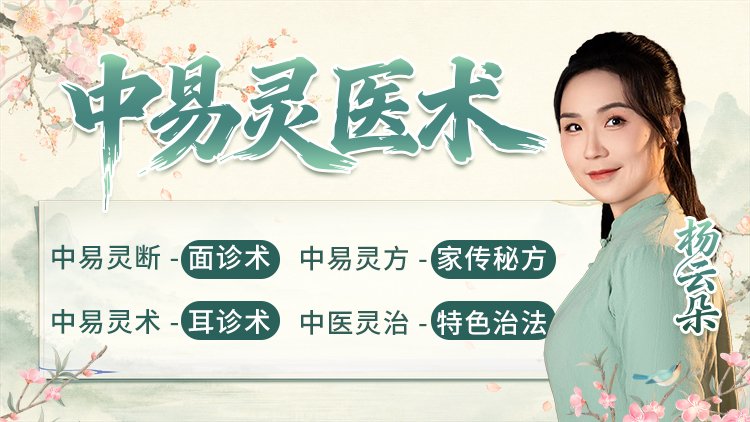
Zhongyi Lingyi Traditional Assessment Methods centers on Yang Yunduo's Zhongyi facial assessment and inherited Zhongyi Lingyi system. It covers facial and ear assessment, ear acupoint regulation approaches, family-tradition experience-based formulas, and distinctive treatment methods. The course organizes traditional visual and ear assessment and observation of common health signals into an accessible learning path, considering external indications through the five sense organs, facial lines, moles, and traditional ear signs. It is intended for learners seeking an introductory TCM assessment framework, as well as practitioners with backgrounds in health management, TCM wellness, physical therapies, or consultation who wish to develop observation, communication, and initial client-screening skills. It does not aim to replace medical examinations. Its focus is understanding how bodily signals appear externally and gradually developing a more organized identification process.
Learn Step by Step
What You Will Learn
Systematically explore Zhongyi Lingduan facial-location reasoning and observation of facial moles, lines, colors, and sense-organ appearance in relation to the zang-fu systems. Study ear-assessment locations, traditional pathological ear signs, and the ear-acupoint 'iron triangle.' Explore external-signal observation in liver-gallbladder, heart, spleen-stomach, lung, kidney, gynecological, pediatric, and men's-health topics.
The course also helps students recognize signs, explain their reasoning, and make basic learning records. Practitioners can use the content to improve communication before consultation, client education, and course inquiries; beginners can use it as a structured entry into TCM assessment courses.
Course Structure
Course Outline
Public preview: the following lessons are those publicly displayed on the original website.
- 01
Zhongyi Facial Assessment — Chapter 01: Facial Methods for Nine Systems — Lesson 01: Liver-System Conditions — Yang Yunduo
- 02
Zhongyi Lingduan Facial Assessment - Chapter 01 - Facial Assessment of Nine Major Systems - Lesson 02 - Heart-System Conditions - Yang Yunduo
- 03
Zhongyi Facial Assessment — Chapter 01: Facial Methods for Nine Systems — Lesson 03: Spleen-System Conditions — Yang Yunduo
- 04
Zhongyi Lingduan Facial Assessment - Chapter 01 - Facial Assessment of Nine Major Systems - Lesson 04 - Lung-System Conditions - Yang Yunduo
- 05
Zhongyi Facial Assessment — Chapter 01: Facial Methods for Nine Systems — Lesson 05: Kidney-System Conditions — Yang Yunduo
- 06
Zhongyi Lingduan Facial Assessment - Chapter 01 - Facial Assessment of Nine Major Systems - Lesson 06 - Surgical Conditions - Yang Yunduo
- 07
Zhongyi Facial Assessment — Chapter 01: Facial Methods for Nine Systems — Lesson 07: Gynecological Conditions — Yang Yunduo
- 08
Zhongyi Lingduan Facial Assessment - Chapter 01 - Facial Assessment of Nine Major Systems - Lesson 08 - Pediatric Conditions - Yang Yunduo
- 09
Zhongyi Facial Assessment — Chapter 01: Facial Methods for Nine Systems — Lesson 09: Men's Health Conditions — Yang Yunduo
- 10
Zhongyi Lingduan Facial Assessment — Chapter 02: Ninety-Nine Detailed Locations for Life Interpretation (Part 1) — Yang Yunduo
Learning Experiences
Student Feedback
Facial and ear assessment used to seem mysterious to me. The instructor breaks them down step by step through locations and symbols, making the learning pathway much clearer.
I already worked in wellness consultation, and the course's facial and ear observation methods have been very helpful in communicating with clients.
The content is systematic. It is useful to establish an assessment-learning framework first, then add practice gradually.