
Traditional Diagnostic Methods
Zhongyi Facial Assessment
Learn an accessible, visual system of TCM facial observation, from facial mapping and traditional pathological signs to interpreting WeChat profile pictures.
About This Course
Course Introduction
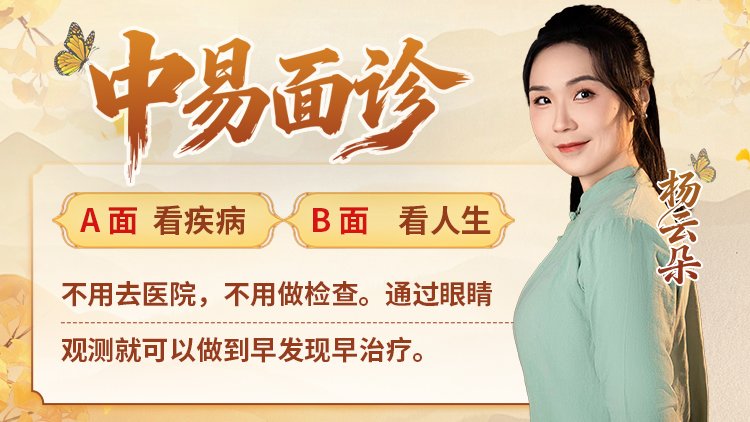
Zhongyi Facial Assessment is organized around two perspectives: reading health from the face and interpreting life through facial observation. It covers facial mapping, observation of the five sense organs, traditional pathological signs, distinctive lines, ear-acupoint fundamentals, and observation of photographs at a distance. The course organizes abstract aspects of traditional visual assessment into location, signs, and presentation, helping students understand relationships between facial appearance and bodily condition. No complex instruments are required. Training focuses on observing facial features, lines, colors, ear appearance, and profile-picture information. Beginners can use it as an introduction to facial assessment; practitioners with a TCM or health-management background can use it to supplement client communication, health consultation, and observation.
Learn Step by Step
What You Will Learn
You will study facial-assessment fundamentals, zang-fu correspondences, eye and ear-point mapping, traditional pathological signs, the face's three and twelve palaces, age-related mapping, and bagua mapping. The course also explores observation relating to the liver and gallbladder, heart, spleen and stomach, lungs, kidneys, and common metabolic and emotional concerns.
After studying, you will better understand facial-region location and how to organize observed lines, colors, moles, raised or depressed features, and ear appearances into assessment clues that can be communicated. The course also discusses the limits of applying facial assessment in social introductions, building client trust, and online consultations.
Course Structure
Course Outline
Public preview: the following lessons are those publicly displayed on the original website.
- 01
[Zhongyi Facial Assessment] Part 01 — Foundations — Lesson 01: Zang-Fu Locations — Yang Yunduo
- 02
[Zhongyi Facial Assessment] Part 01 - Foundations - Lesson 02 - Eye-Observation and Ear-Point Location - Yang Yunduo
- 03
[Zhongyi Facial Assessment] Part 01: Fundamentals — Lesson 03: Traditional Pathological Signs and Distinctive Lines — Yang Yunduo
- 04
[Zhongyi Facial Assessment] Part 01 — Foundations — Lesson 04: The Three Facial Regions and Twelve Facial Palaces — Yang Yunduo
- 05
[Zhongyi Facial Assessment] Part 01 - Foundations - Lesson 05 - Annual-Period and Bagua Mapping - Yang Yunduo
- 06
[Zhongyi Facial Assessment] Part 02: Perspective A—Health — Lesson 01: Internal Medicine—Liver and Gallbladder Conditions — Yang Yunduo
- 07
[Zhongyi Facial Assessment] Part 02 — Health from Face A — Lesson 02: Internal Medicine — Heart-System Conditions — Yang Yunduo
- 08
[Zhongyi Facial Assessment] Part 02 - Side A: Observing Health - Lesson 03 - Internal Conditions: Spleen and Stomach - Yang Yunduo
- 09
[Zhongyi Facial Assessment] Part 02: Perspective A—Health — Lesson 04: Internal Medicine—Lung Conditions — Yang Yunduo
- 10
[Zhongyi Facial Assessment] Part 02 — Health from Face A — Lesson 05: Internal Medicine — Kidney-System Conditions — Yang Yunduo
Learning Experiences
Student Feedback
The instructor explains facial locations very clearly. I used to find the lines and regions confusing, but now I know how to observe them step by step.
Very practical for people who provide health consultations, especially the sections on observing photographs and communicating with clients.
It is worth revisiting the course. The first viewing establishes the framework, while a second pass alongside the cases makes the practical approach clearer.